
By Bianca Marie France E. Viadan

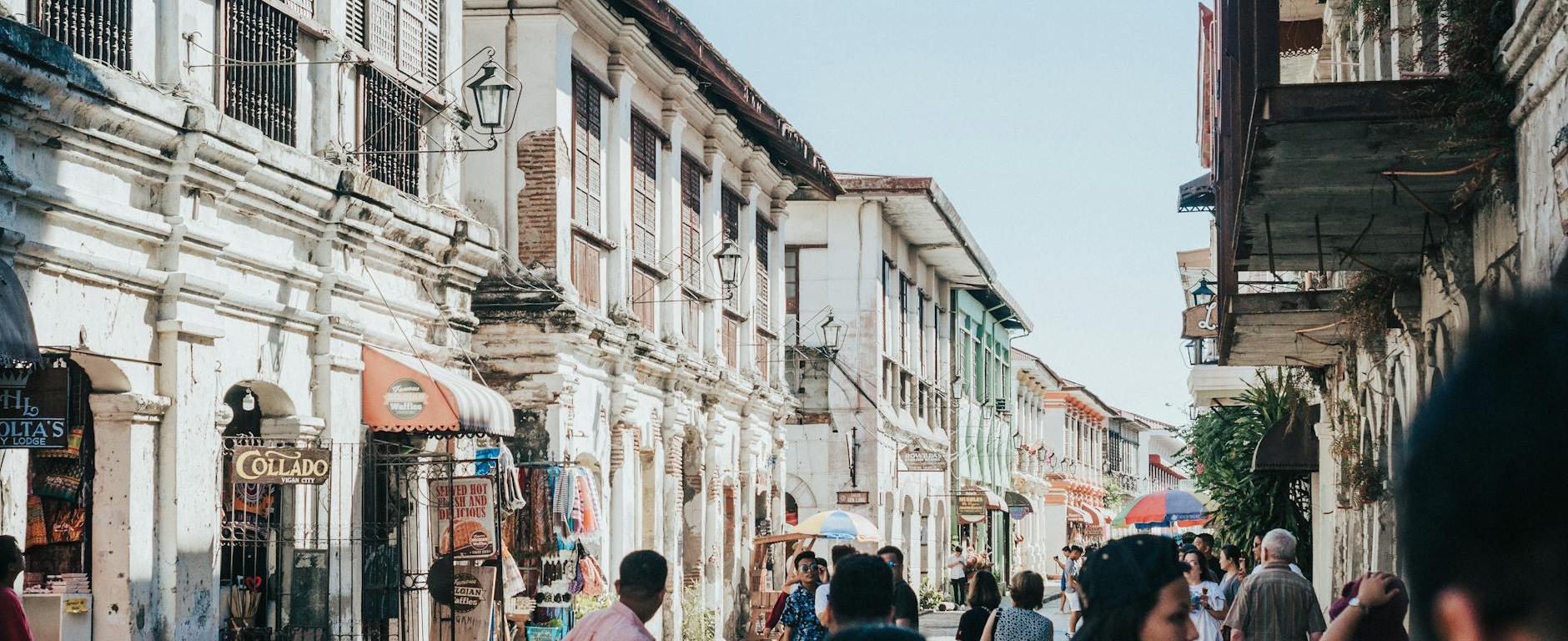
The City of Vigan, the capital of Ilocos Sur, is where the preserved Spanish colonial and Asian architecture can be found. This city, with approximately 17.25 hectares area, was declared as a UNESCO World Heritage Site in 1999. It is one of the few places in the Philippines where historical structures infuse with Philippines native construction from Spanish Colonial Era mostly remained intact up until today.
During the 16th Century, Vigan was founded by the Spanish conquistador Juan de Salcedo and became the center of trading, religious, and Spanish political activities which made the city deeply influenced by the Spanish Colonial Era, not only culturally but also by the European architecture.
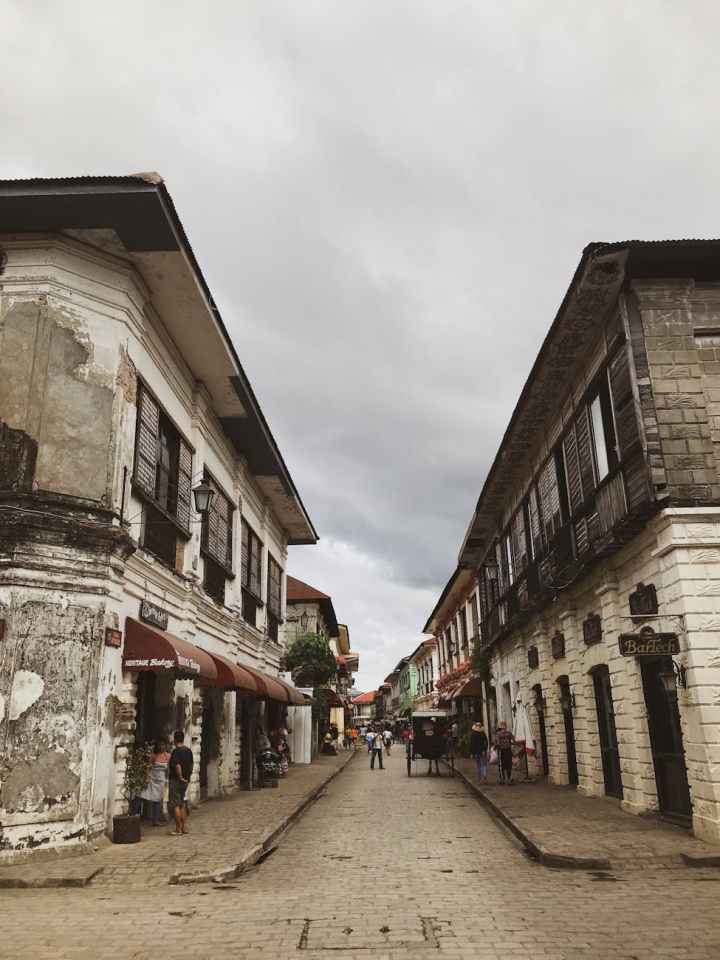
Inside the historical city of Vigan, you will find a grid-like layout that is said to be a hallmark of Spanish colonial towns, that opens towards the two adjacent plazas known as the Plaza Salcedo and Plaza Burgos. Found here are the beautiful St. Paul Cathedral, The Provincial Capitol Building, The City Hall and The Archbishops Palace. It is undeniable that the influence of Spanish architecture can be seen in the said town, but its uniqueness and difference from traditional colonial towns in Latin America is the fusion of Chinese, Ilocano, and Filipino influences; that can be seen in the city’s historic core, known as the Mestizo district where cobblestones streets and Spanish Colonial houses were mostly preserved. Some of these houses are still occupied by either residents or used as commercial spaces.

Another beautiful landmark that is hard-to-miss is the Calle Crisologo; you can find centuries-old houses, antique cobblestones, and the kalesas that are still used as transportation. You’ll also see the tungsten lamps, giving off the historic ambiance along the 500-meter-long street, bringing you back to the past.
At the present time, Vigan has become one of the major tourist destinations in the Island of Luzon where you’ll experience and witness one of our country’s historical period, the Spanish Colonial-era. To preserve this historical city’s heritage, the local government has been working with local communities and implemented the “Vigan Heritage Conservation Program: A Tool for Development” for the rehabilitation of the ancestral houses and antique structures of the city.
Vigan showcases not only the history, but it also contributes to our identity as Filipinos. This city was a witness to our country’s diverse culture from traditions, values, practices that was passed down through generations, recognizing the importance and value of our multicultural heritage differences including languages, clothing, music, arts and many more.
We may have been influenced by different cultures and traditions, but we, Filipinos, remained the same Filipinos that our ancestors fought to freedom. May we never forget to remember the true meaning of the history of our country and keep in our hearts and minds that we will not fall as long as we remain united as a country and as responsible members of the community. We will always have differences, but we only aim for one goal not only for the people we cherish but also for ourselves and that is PEACE.
But those who exalt themselves will be humbled, and those who humble themselves will be exalted.
Matthew Chapter 23 Verse 12
Reference:
Wikipedia, History Timelines Official Website, WHC UNESCO Official, Connective Cities Official Website, Galing Pook Official Website, Better You Living Official Website, Church Base Official Website

Bianca Marie France E. Viadan , Operations Management. Born on the 2nd day of October year 1990, eldest daughter of 2 and currently residing in Tarlac City. Graduated Cum Laude with a Bachelor’s degree in Criminology. A Philippine ARMY reservist graduated in Advance ROTC. Traffic Control Room Specialist at SCTEX base. Fond of writing poems, short stories, reading, photography, singing, and playing the guitar. Ambivert loves to travel and discover nature. Forgiving and friendly in nature.
 NLEX Company Newsletter