

By Nea M. Dela Pena

📰 Parent-to-Parent Newsletter
Issue: Building Money Habits in Young Minds
From: A Fellow Parent (Not an Expert, Just Learning Along the Way)
Dear Parents,
I hope this message finds you well. I’m writing not as a financial expert, but as a fellow parent who’s navigating the same journey of raising financially wise children. Along the way, I’ve picked up a few practical tips from other parents—some trial-and-error, some golden advice—and I’d love to share what has worked for us.
Experts say that the best time to teach life lessons, especially about money, is during childhood. And it’s not just about telling them—it’s about showing them. The key? Words plus actions.
Here are some money habits we’ve proactively taught our kids:
💰 The Power of the Coin Bank
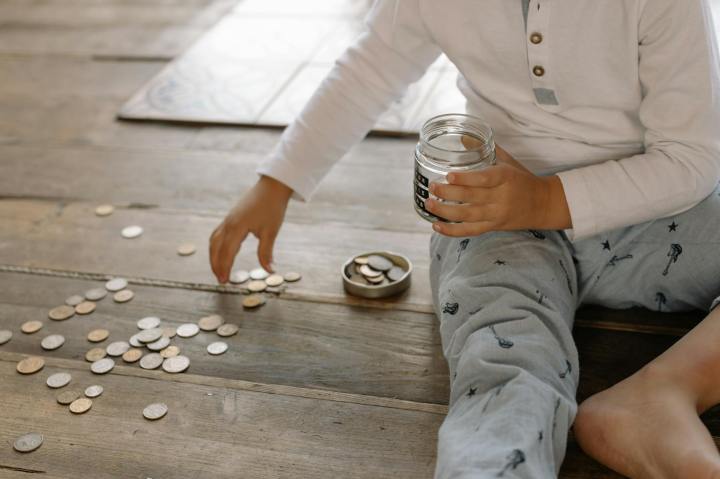
They say a coin bank is a kid-friendly way to introduce the concept of saving. We chose designs that matched their favorite characters to make it exciting. From their daily baon, they’d set aside coins to drop into their coin banks. It became their own little treasure chest.
Every birthday, Christmas, or random gift from relatives—straight into the coin bank. The growing weight of the bank thrilled them, and when it was full, we’d count the coins together. That moment of counting? Pure joy.
Interestingly, we don’t ask them what they plan to buy with the money. We want them to enjoy the feeling of earning, not just the thrill of spending. Once counted, the money goes into their own bank account—yes, with their name on the passbook, which they proudly keep. Believe it or not, they’ve saved more than I had at their age!
🧠 Wants vs. Needs: Baby Steps
This lesson started early—back when Toy Kingdom was their favorite destination. Before entering, we’d set clear expectations: one toy only, and it shouldn’t cost more than three digits, starting from 1 to 4.
We’d compare prices with real-life essentials—like 10 kilos of rice—and ask them if the toy was worth it. If not, we’d look for alternatives that brought the same joy. We spent more time in the sale section than the new arrivals, and thankfully, our kids didn’t chase trends. We taught them to love what they have, not long for what others have.
As they grew older, the lesson deepened. When they wanted (not needed) something expensive—like a gadget upgrade—we’d ask if they were willing to deduct it from their savings. Most of the time, they’d rethink the purchase.
We, as parents, take care of their needs. If something is truly necessary and we’re able, we provide. But we don’t go the extra mile for wants. Gifts are earned—through birthdays, Christmas, or academic achievements—and we make sure they’re meaningful and timely.
💡 Final Thoughts
These small steps have helped our kids understand the value of money, the joy of saving, and the importance of making thoughtful choices. It’s not about perfection—it’s about consistency and intention.
Let’s keep sharing and learning from each other. After all, parenting is a journey best traveled together.
Warmly,
A Fellow Parent

Nea M. Dela Pena, Human Resources and Administration. I am not really into writing, but I find it interesting if am able to share something thru writing, that it will be something that everybody would love to read and share also.
 NLEX Company Newsletter