

By Len Jorge

Road traffic crashes remain a leading cause of injury and death worldwide. Every year, over a million lives are lost, and millions more are injured due to preventable traffic incidents. To address this global crisis, the United Nations launched the Decade of Action for Road Safety, introducing a comprehensive approach built around five key pillars.

These pillars serve as the foundation for effective road safety systems across nations. Understanding and implementing these five pillars can significantly reduce road traffic deaths and ensure safer journeys for all.
Pillar 1: Road Safety Management
This is the foundation of an effective road safety system. It involves establishing strong leadership, clear policies, and coordinated strategies to guide national and local road safety efforts. This pillar focuses on creating institutional frameworks, securing sustainable funding, collecting reliable data, and setting measurable goals.
With the right management in place, countries can ensure that all road safety initiatives are aligned, accountable, and driven by evidence—making it possible to implement lasting improvements and reduce the burden of road traffic injuries and deaths.
Without proper management, even the best safety initiatives can fall short. A solid framework ensures that all road safety efforts are aligned, accountable, and sustainable.
Pillar 2: Safer Roads
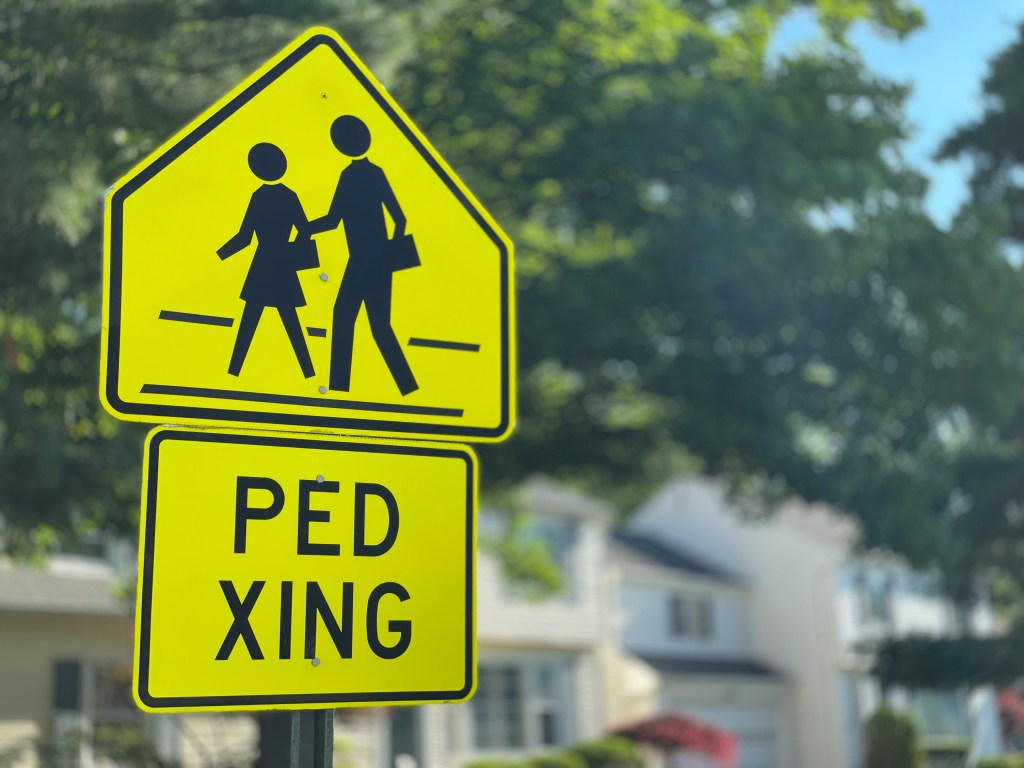
Safer Roads focuses on designing and maintaining road infrastructure that minimizes the risk of crashes and protects all users, especially vulnerable groups like pedestrians, cyclists, and motorcyclists. This pillar emphasizes the importance of safe road design, proper signage, speed management, and accessible pathways to ensure that roads are forgiving of human error.
By prioritizing safety in urban planning and transportation development, we can create environments where mobility is efficient, inclusive, and above all, safe for everyone.
Pillar 3: Safer Vehicles

Safer Vehicles play a vital role in reducing both the likelihood and severity of road traffic crashes. This pillar focuses on improving vehicle design and promoting technologies that enhance crash prevention and occupant protection. Features like seat belts, airbags, anti-lock braking systems, and electronic stability control are crucial in minimizing injuries during accidents.
Regular vehicle inspections, compliance with safety standards, and the adoption of modern safety innovations ensure that vehicles on the road contribute to a safer driving environment for all.
Pillar 4: Safer Road Users

Safer Road Users centers on promoting responsible behavior among everyone who uses the road—drivers, passengers, pedestrians, and cyclists alike. Human error is a leading cause of traffic incidents, making education, enforcement, and awareness essential in reducing risk.
This pillar emphasizes the importance of obeying traffic laws, avoiding dangerous behaviors like speeding, distracted driving, and driving under the influence, and encouraging the use of seat belts, helmets, and child restraints. Cultivating a culture of safety and accountability on the road is essential to long-term change.
Pillar 5: Post-Crash Response

Post-Crash Response is a critical pillar that focuses on minimizing the consequences of road traffic crashes through timely and effective emergency care and support. Even with strong prevention efforts, accidents can still occur, making it essential to have systems in place for rapid medical response, trauma care, and recovery services.
This includes training first responders, improving emergency communication, ensuring access to well-equipped medical facilities. A well-coordinated post-crash response can mean the difference between life and death—and plays a key role in saving lives and aiding recovery after a crash.
The 5 Pillars of Road Traffic Safety offer a holistic, systems-based approach to preventing road injuries and fatalities. By addressing every stage of the traffic system from policy to infrastructure, from vehicle design to driver behavior, and emergency care we can build safer environments for all.
Road safety is not just a transportation issue—it’s a public health, economic, and social issue. Governments, organizations, and individuals must work together to make our roads safer. With commitment and collaboration, we can turn the tide on traffic-related deaths and injuries.

Len C. Jorge, Compliance and Business Excellence. Len loves to travel, and she loves nature! She’s a taker of a good coffee and good conversation. Every travel she ventures, she makes sure it’s the best experience – every place is special. She loves going to places she has never been and meeting lovely people along the way. She always does what her heart beats for.
 NLEX Company Newsletter