
By Ron Cervantes

The Commission on Human Rights (CHR) reported in 2019 that 1 in every 100 Filipinos was diagnosed with ASD. This is Autism Spectrum Disorder in the Philippines. Despite the prevalence, awareness, and inclusive policies for autistic individuals are still lacking.
In this modern society where information is readily accessible, it is utterly unacceptable. Misconceptions still limit people with autism. In addition, the people who support them also face prejudice. The entire ordeal is not easy to live by.
Every third week of January, Autism Consciousness Week is observed in the Philippines. The event aims to raise awareness and promote a supportive environment for individuals with autism. It encourages all sectors to help them live with dignity. It aims for them to enjoy equal rights and function independently. Additionally, they should contribute productively to society.
Let us take a closer look at the common facts about individuals with ASD.
- Autism is NOT a disease. ASD is not a disease or illness. It is a neurodevelopmental condition that affects how a person perceives and interacts with the world.
- Autistic individuals experience emotions, often deeply. They may express their emotions differently, but they can feel and show love, joy, sadness, and other emotions.
- Autistic individuals are NOT violent. Thinking that they are violent is a dangerous stereotype. Autistic people are not inherently violent. Like us, they can experience frustration or anger, but this does not define their behavior.
- Autism is NOT caused by bad parenting. It has already been proven that parenting is not to blame. Parenting style can help an autistic child cope with the world. However, it is definitely not the root cause of their behavior.
- Autistic individuals are NOT anti-social. They may need support with social skills or interact differently with their surroundings, but most autistic people enjoy having relationships.
- Autism is NOT caused by vaccines. The biggest myth of all is that vaccines cause autism. The safety of vaccinations has been repeatedly tested across large groups of people. Research studies involving thousands of people have consistently shown that vaccines do not cause autism.
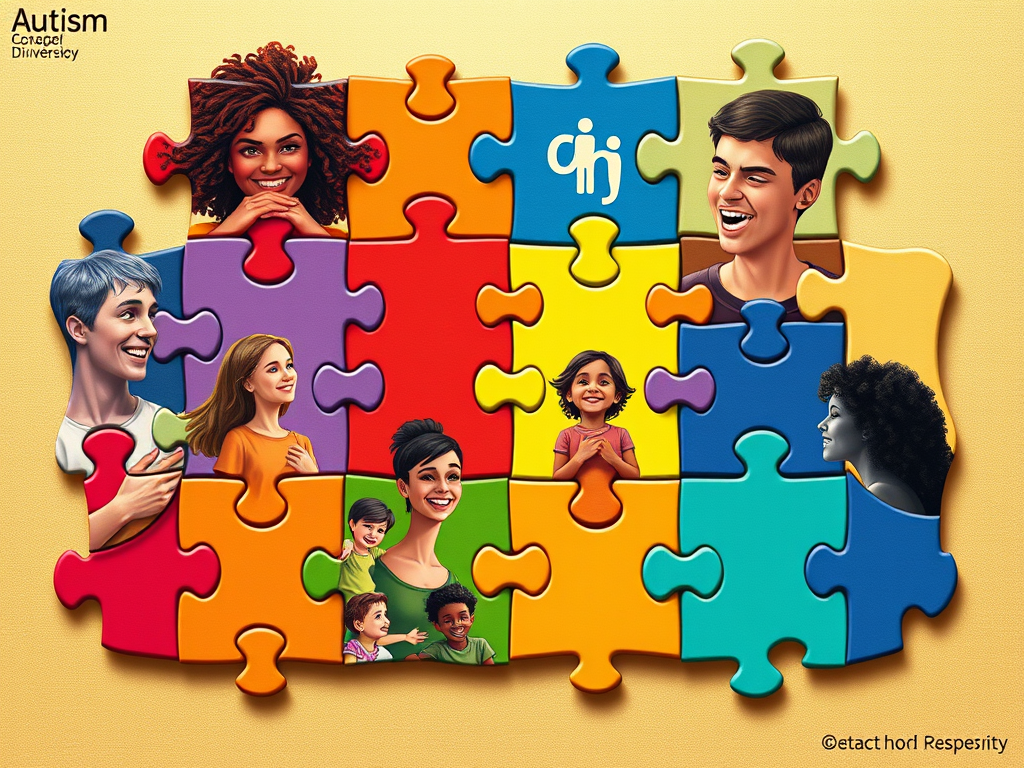
Like a puzzle, autism is complex and mysterious. Every individual has their own distinct traits, strengths, and challenges. A puzzle reflects the idea that there are many pieces to understand them who live with it.
We must break the stereotypes surrounding autism spectrum disorder (ASD). It is crucial to foster awareness about this condition. These efforts are essential for building a more inclusive and compassionate society. By educating ourselves, we can challenge misconceptions. This way, we can make the Philippines a place where autistic individuals are respected and valued for their unique contributions.

Ronilo G. Cervantes Jr, Compliance and Business Excellence Department – Continuous Improvement Specialist. Ron started working for NLEX in July 2023. He’s an ambivert who believes that learning is infinite and there are lessons you can’t learn from school.
 NLEX Company Newsletter