
By Maria Kristina R. Wingkee

Change is an inevitable part of life. We all experience it in our personal lives. We also encounter it in our professional work. Broader shifts that occur within society affect us too.
The Key to Managing Change: Acceptance
Dr. Richthofen De Jesus, a psychologist and guest speaker, emphasized an important point. The first step in managing change is to accept that the change has already happened. Denying the change, he explained, only prolongs the emotional struggle.

Understanding Your Personality and Managing Emotions
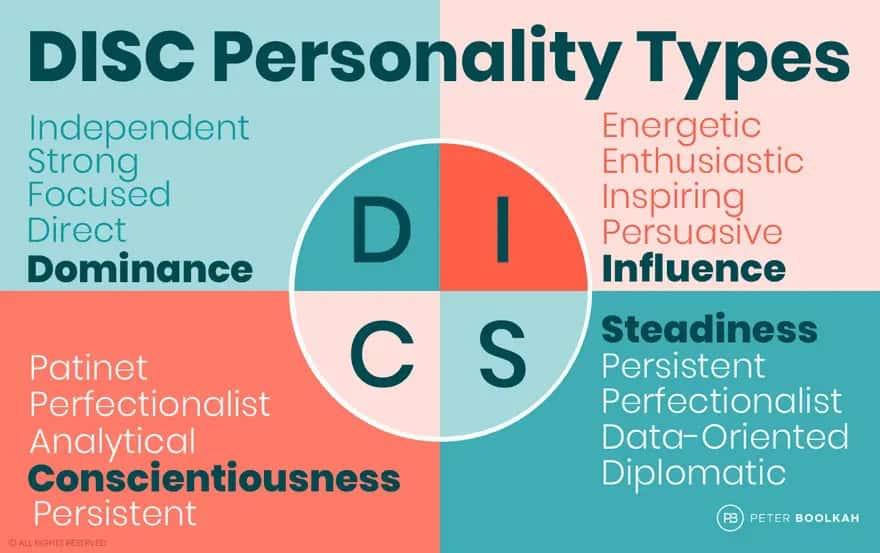
One valuable tool in managing emotions through change is understanding your personality type. Dr. De Jesus referenced the DISC model, which categorizes four primary personality types: Dominance, Influence, Steadiness, and Conscientiousness.
Source: supplychaingamechanger.com
- Dominance: Practical, result-oriented, and sometimes blunt.
- Influence: Social, communicative, and optimistic.
- Steadiness: Methodical, thoughtful, and excellent listeners.
- Conscientiousness: Thorough, logical, and highly organized.
Four Tips for Managing Emotions Through Change
- Accept that change is inevitable: Recognizing that change is a constant. This understanding allows us to move forward with greater resilience. It is particularly helpful in times of stress.
- Recognize multiple perspectives. By acknowledging that there are multiple viewpoints in any given situation, you can navigate conflicts better. This approach also helps in managing emotional challenges.
- Make a decision: Change requires action. Until you make a decision about how to approach the change, it remains stagnant.
- Take care of yourself: Self-care is essential during times of stress. Dr. De Jesus advises you to be proactive in protecting your own well-being. This can be done through exercise, hobbies, or simply taking time to relax and recharge.
Supporting Others Through Their Emotional Transition
It’s important to remember that change affects everyone differently, and some individuals may struggle more than others. If you notice that someone around you is having a hard time coping with their emotions during a transition, Dr. De Jesus shared a helpful approach: the ORA technique.
- O – Observe: Pay attention to the frequency and severity of the person’s emotional responses.
- R – Reflect: Share your observations with the person in a compassionate and non-judgmental way.
- A – Ask: Gently ask what they need or how you can support them.
Conclusion: Emotions Are Temporary, and Change Is Manageable
In the end, it’s not about avoiding change or emotions but about learning to manage them effectively. By doing so, you’ll be better equipped to handle whatever life throws your way, with confidence and resilience.

Maria Kristina “WINX” Wingkee, Human Resources- HR Business Partner Manager. She believes that she is an HR by heart and by profession. She aims to uplift and empower people around her. Outside HR, Winx is a proud Zumba Tita. She loves to dance and take care of her twin nieces with special needs.
 NLEX Company Newsletter