

By Ron Cervantes
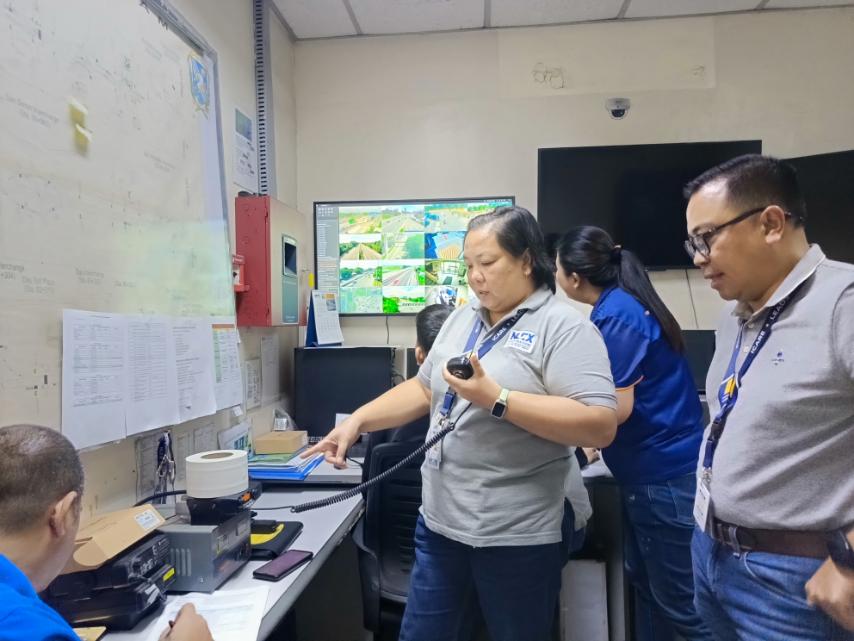
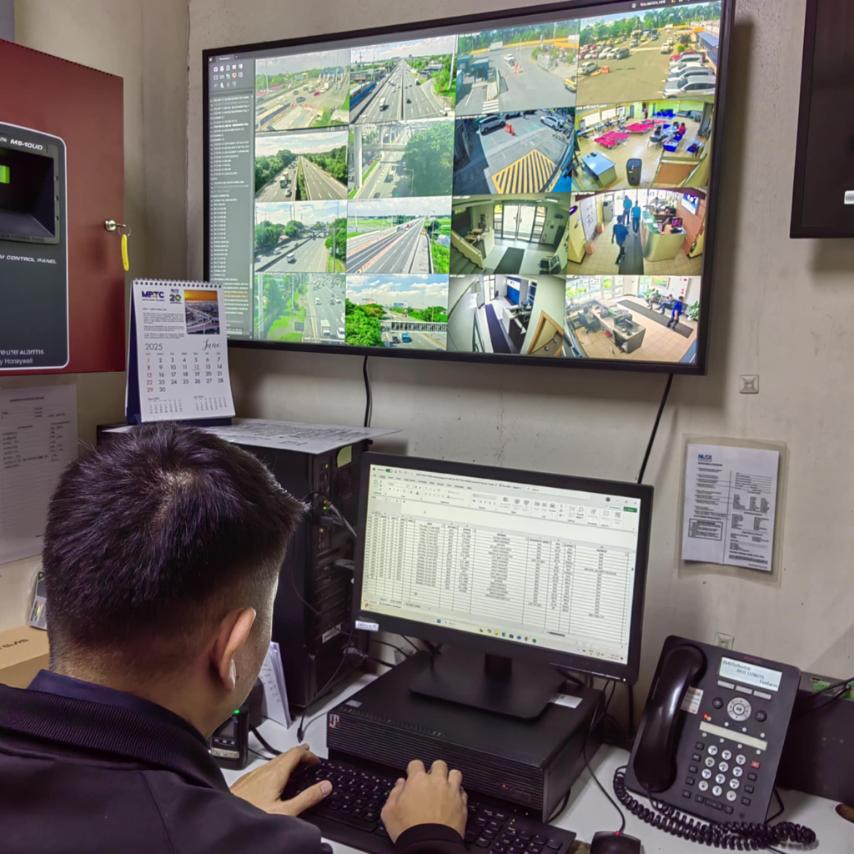
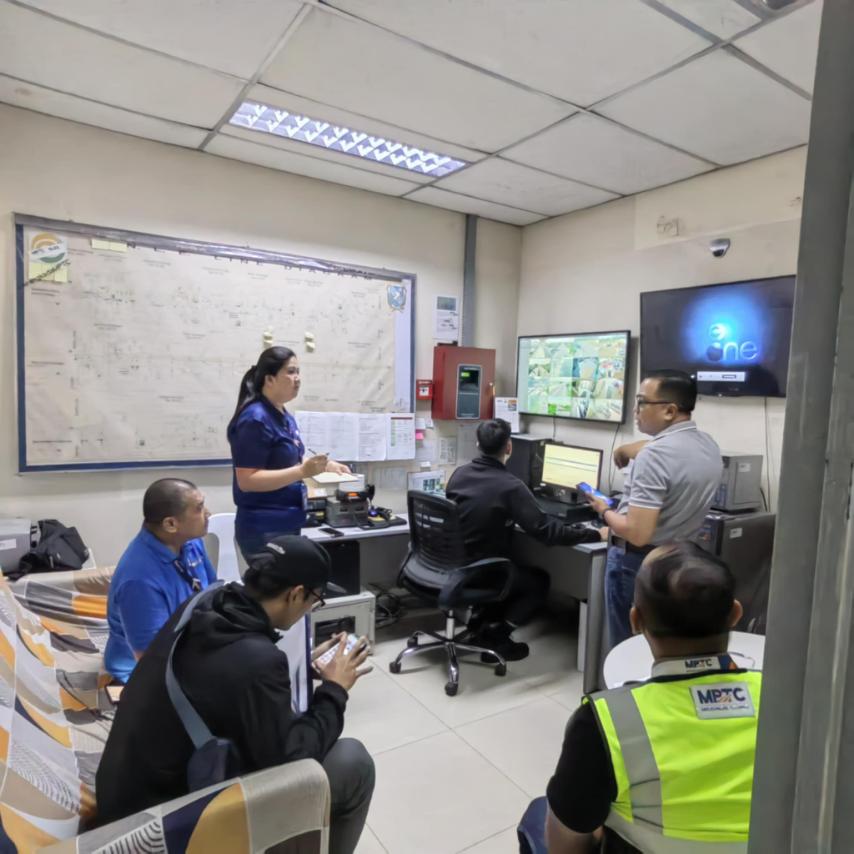
June 17-20, 2025, NLEX Corporation conducted its Business Continuity Plan (BCP) testing for a magnitude 7.5 earthquake scenario in its office and toll plaza in Balintawak, Caloocan City. The Compliance and Business Excellence (CBE) department took the lead in facilitating the BCP testing. The testing covers the critical processes of the tollway company. It simulates their recovery strategies and demonstrates resilience in times of disaster.
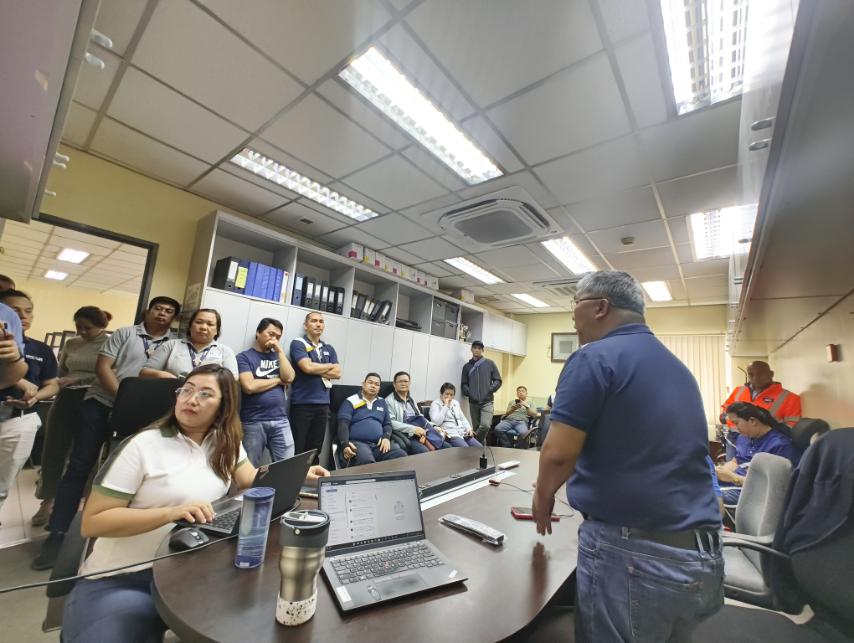

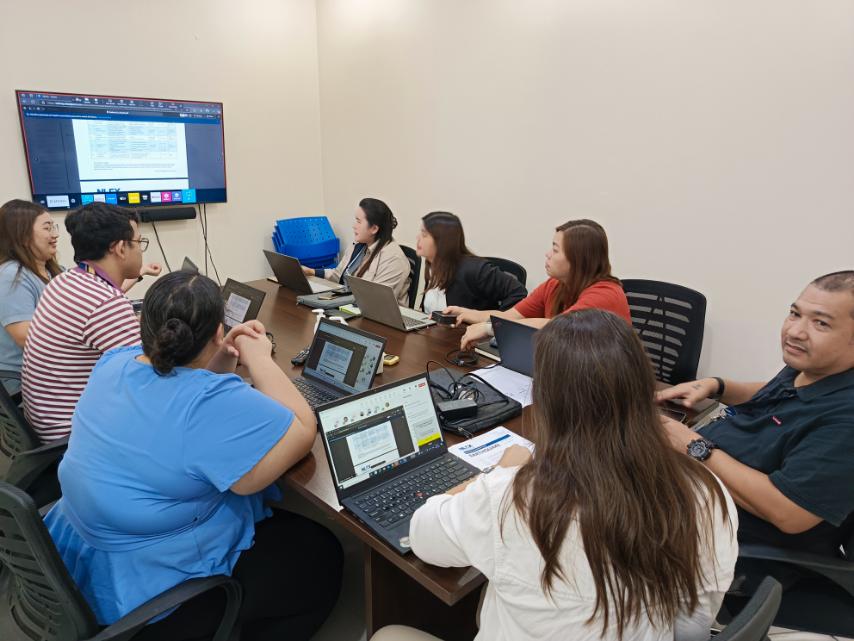
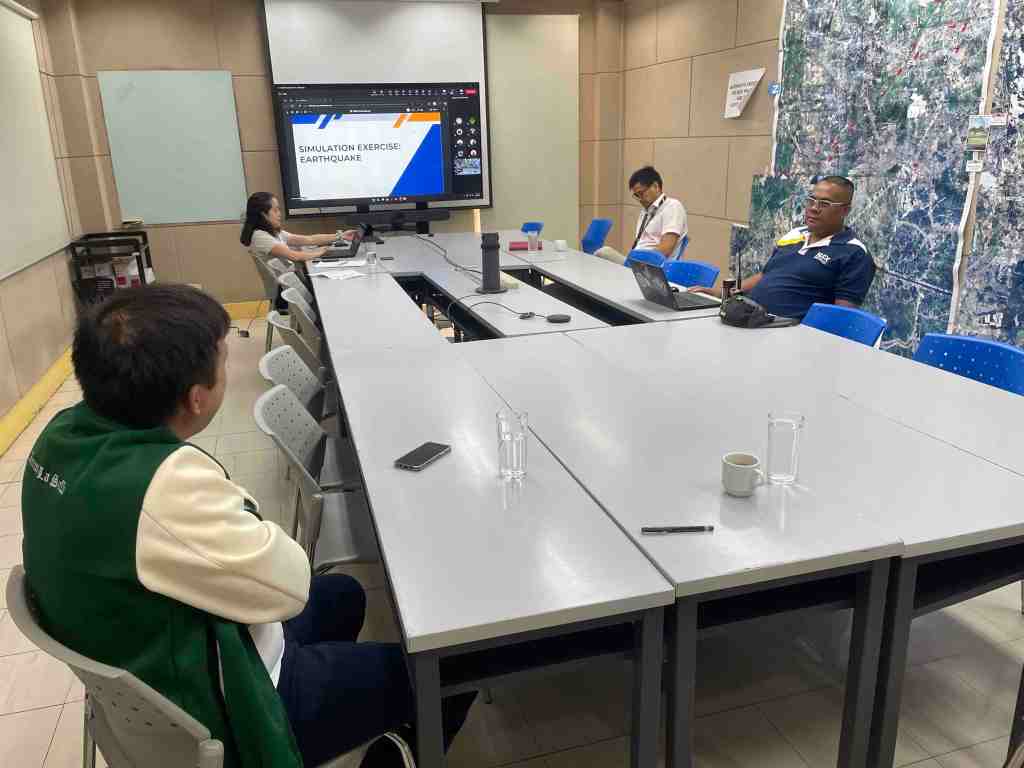

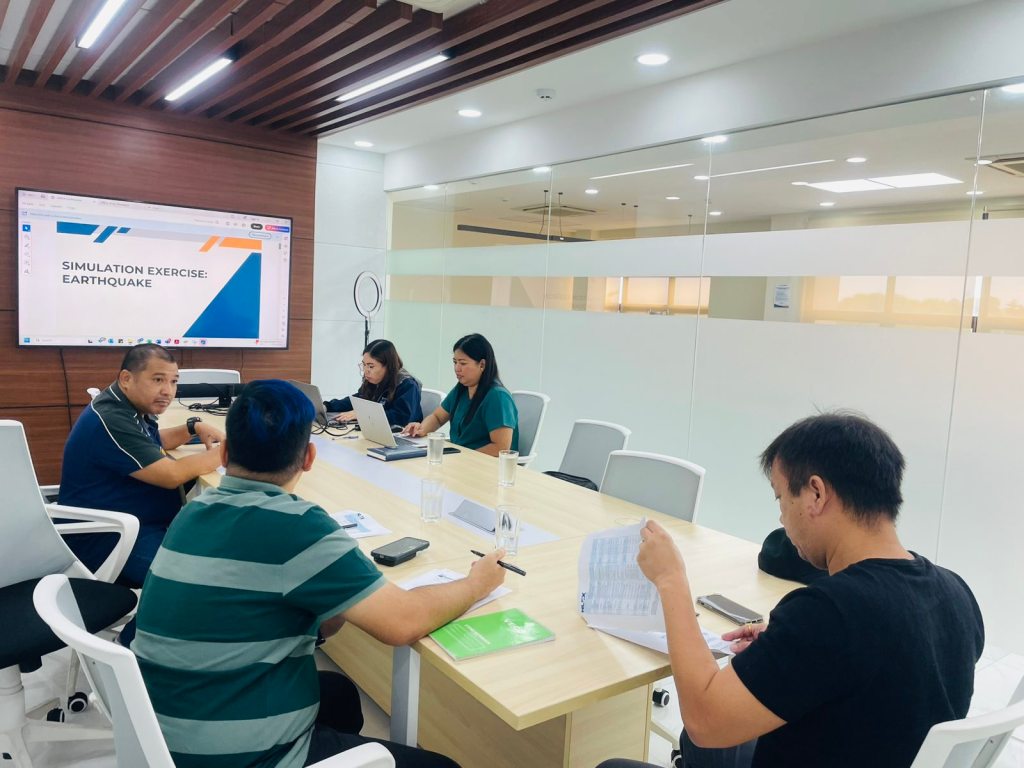
It was a 4-day activity that assessed the pre-identified strategies of critical processes on how they would handle the earthquake aftermath. This also detected the weaknesses or gaps within the BCP to improve the target for the recovery of the services of NLEX Corporation.
The following are the critical process owners involved in the BCP testing:
- Traffic Operation Department
- Traffic Control Room
- Security Operation Department
- Civil Asset Management Department
- Electro-Mechanical and Auxiliary Section
- Human Resources Admin Department
- Supply Chain Management Division (Procurement, Inventory)
- Fleet Management Section
- Toll Operations Department
- Toll and Traffic Systems Maintenance Section
- Central Core Systems Section
- Telecoms and Network Section
- Information Technology Section
- Communication and Stakeholders Management Division
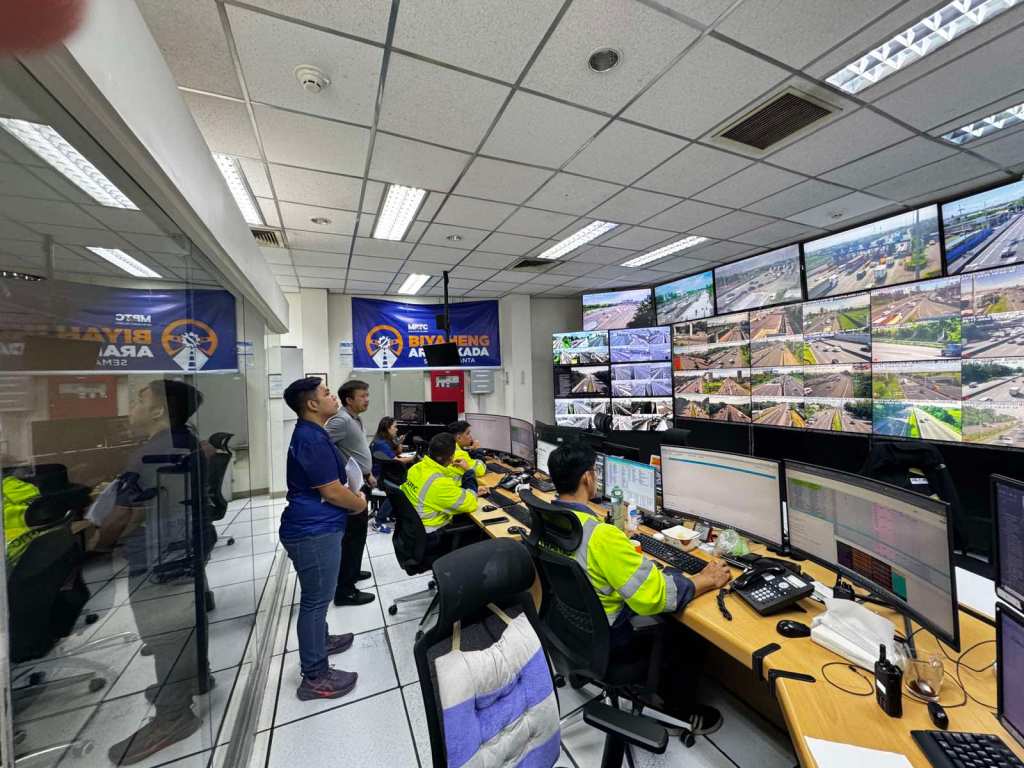



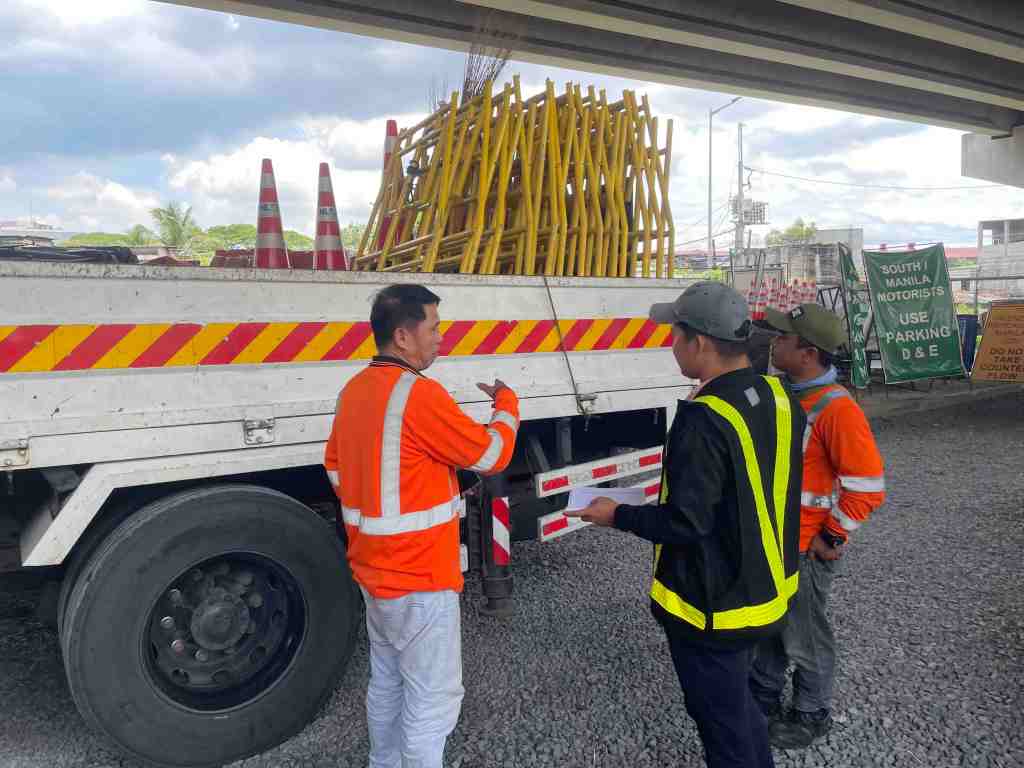

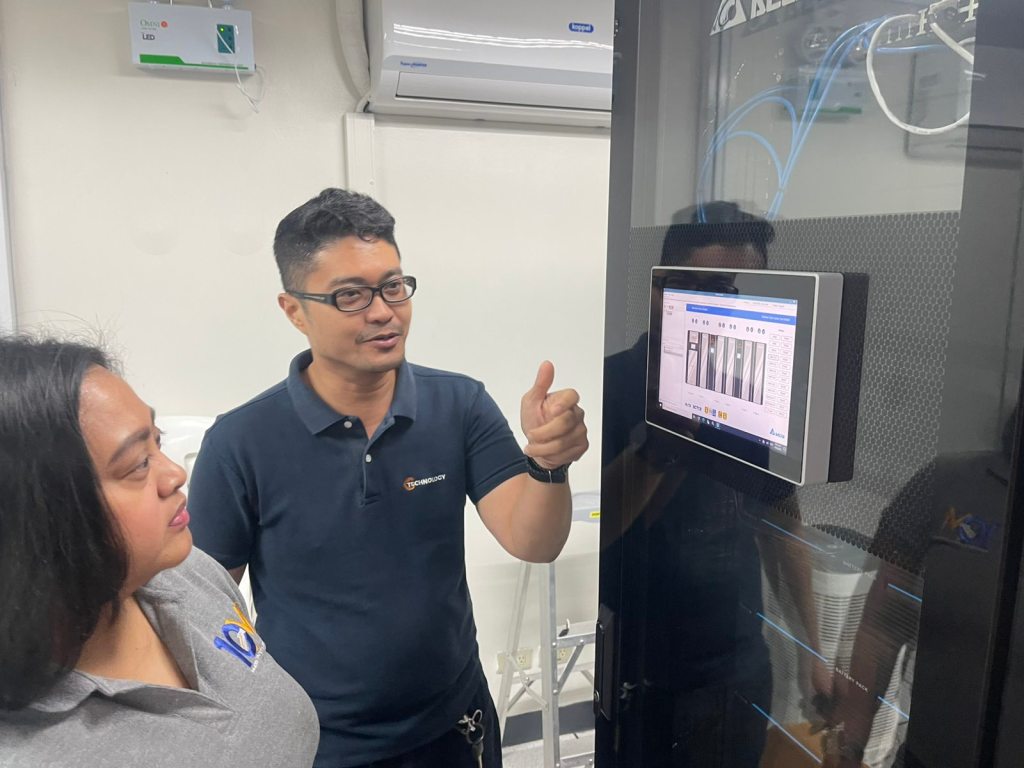

A BCP holds all that an organization needs in a disruption. The strategies of the organization are indicated, specifying also the needed resources. These resources include people, information and ICT systems, infrastructure, equipment, consumables, supply chain, finances, partners, and suppliers.
All resource requirements are specified in the BCP. The interdependencies are also listed. These include critical suppliers, external partners, and the interconnected processes. All of these are needed to execute the strategies in the BCP.
Besides the resources and interdependencies, a BCP also lists all significant contacts. These contact details are essential for using the BCP to support communication among all people involved. Suppliers were called during the testing. This was done to check if their phone numbers were correct. It also verified that the resources they offer were accurate.
Redundancy is a system’s ability. In this feature, a part, which is a resource or supplier, is duplicated. This ensures that if it fails, there will be a backup. This was also checked during the testing, most especially with the teams focused on technology, operations, and supply chain. One example is the Disaster Recovery (DR) backup of the IT and Toll Collection System (TCS). In the testing scenario, the Balintawak office is uninhabitable. This is where the main server is located. The Disaster Recovery (DR) in SCTEX’s office in Mabalacat, Pampanga, was activated to recover data.
The BCP testing was a success, citing best practices and improvements for the strategies of critical processes. It also confirmed the completeness of the resources, ensuring availability and accessibility even in an earthquake.
BCP testing is a fundamental requirement of the ISO 22301 Business Continuity Management System (BCMS). This process ensures that NLEX’s business continuity plan is effective. It is ready to handle several types of disruptions.
The NLEX Corporation is certified for six (6) ISO management systems. These include ISO 9001 Quality, ISO 45001 Occupational Health and Safety, and ISO 14001 Environment. Others are ISO 39001 Road Traffic Safety, ISO 50001 Energy, and ISO 22301 Business Continuity.

Ronilo G. Cervantes Jr, Compliance and Business Excellence Department – Continuous Improvement Specialist. Ron started working for NLEX in July 2023. He’s an ambivert who believes that learning is infinite and there are lessons you can’t learn from school.
 NLEX Company Newsletter