
By Len Jorge

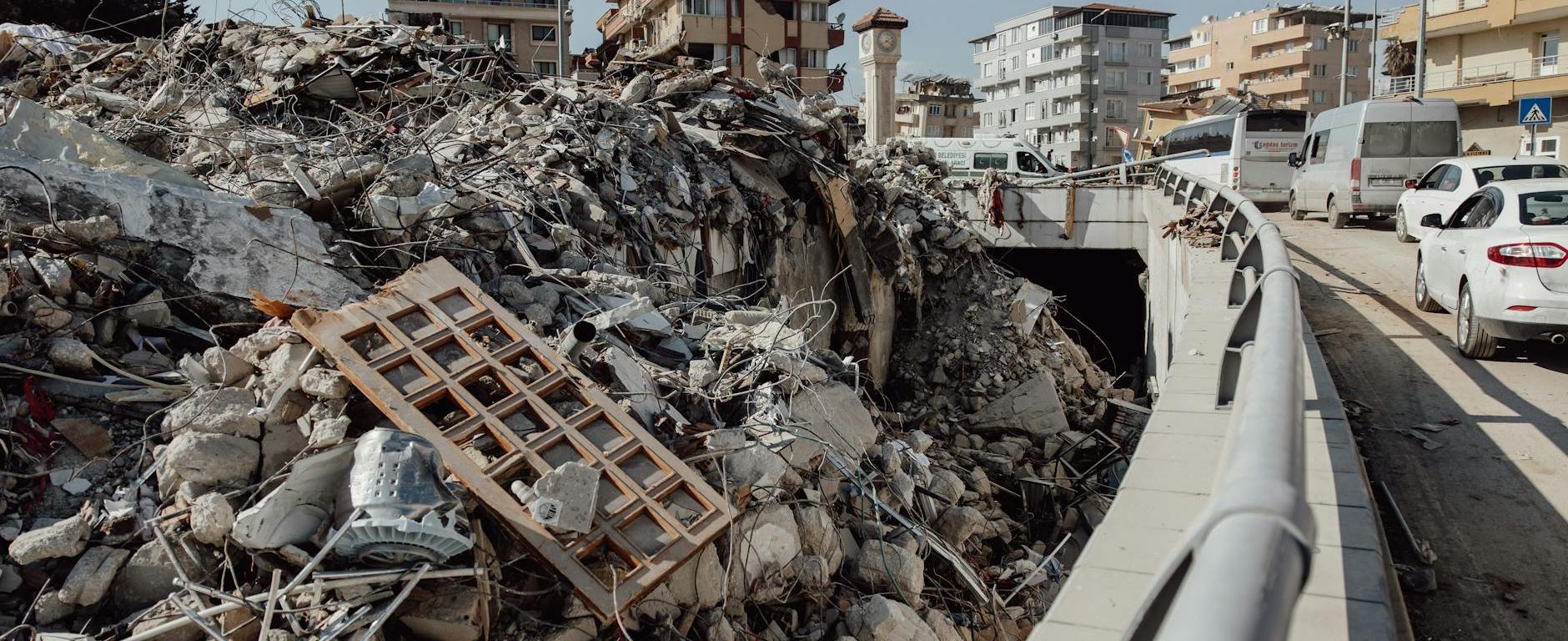
The ground shakes. The walls groan. The lights flicker. For a split second, the world feels like it’s tearing itself apart—and your instincts scream run. But what if, in that moment, panic is the one thing that puts you in the most danger?
When the earth quakes beneath us, it feels personal, like nature is lashing out without warning. But earthquakes aren’t angry acts of the planet; they’re physics in motion. Deep beneath your feet, enormous slabs of the Earth’s crust called tectonic plates are constantly moving. Sometimes, they grind against each other. Sometimes, they collide. And sometimes, they slip. When that built-up pressure suddenly releases, the ground above it ripples like a wave.
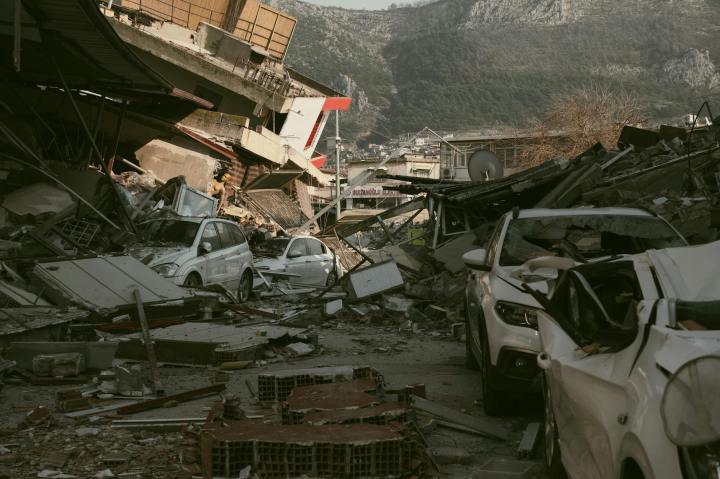
That’s what you feel as the shaking starts, the surface echo of a deep, geological sigh.
The shockwaves travel through the earth like ripples in a pond, but instead of water, it’s rock and soil carrying energy. That’s why the intensity can vary so wildly; soft ground amplifies the shaking, while solid rock can dampen it. The first jolt is often the P-wave, fast, sharp, and fleeting. Then comes the S-wave, slower and stronger, the one that rattles furniture and hearts alike.
It’s an incredible display of energy but one that lasts, on average, less than a minute. The real danger comes from what we do during that minute.
See, panic triggers chaos. When adrenaline floods your system, logic shuts down. People sprint for doorways, dash outside, or freeze entirely. But modern seismic research tells us something most of us never learned: doorways aren’t magically safer. In fact, you’re more likely to get injured by falling objects or broken glass while trying to move.
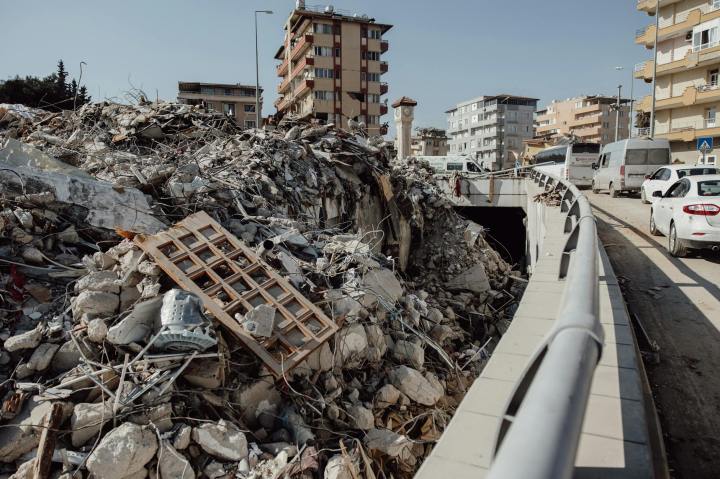
What saves lives is calm, quick thinking. The golden rule? Drop, Cover, and Hold. Drop to your hands and knees to prevent being knocked over. Cover your head and neck under sturdy furniture or next to an interior wall if there’s nothing nearby. Then hold on until the shaking stops.
It sounds simple, almost too simple. But in every major quake from Japan to California to the Philippines, survival stories often share one common thread, someone who didn’t panic.
Remaining calm isn’t denial; it’s strategy. It means recognizing that earthquakes are natural processes, not punishments. It means knowing that aftershocks may come but so will rescue, support, and rebuilding.
And maybe that’s the quiet truth beneath the chaos. Earthquakes remind us how fragile the surface of our world is, but also how resilient we are beneath it. The earth shakes, but we learn, adapt, and prepare better each time.
So, the next time the ground trembles, remember what’s happening isn’t the end; it’s a reminder that even in the most unpredictable moments, calm is your greatest shield.
When the world starts shaking, don’t let fear be louder than reason. The earth may move, but you don’t have to lose your ground.

Len C. Jorge, Compliance and Business Excellence. Len loves to travel, and she loves nature! She’s a taker of a good coffee and good conversation. Every travel she ventures, she makes sure it’s the best experience – every place is special. She loves going to places she has never been and meeting lovely people along the way. She always does what her heart beats for.
 NLEX Company Newsletter