
By Roanne Grace F. Quilingan

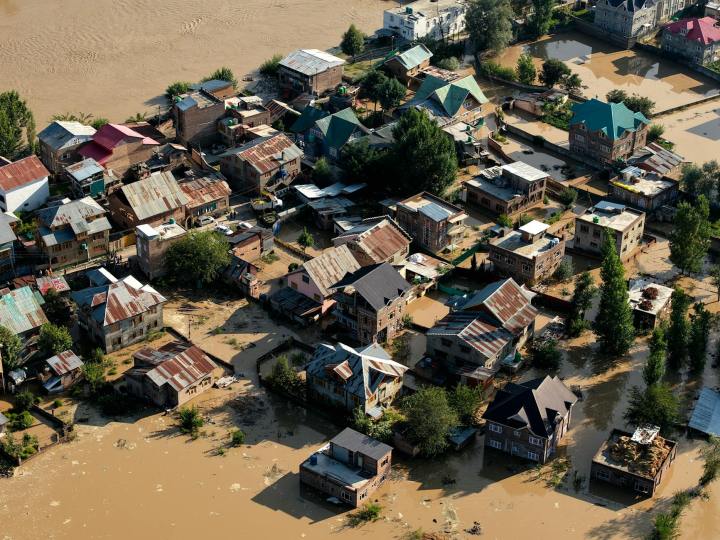
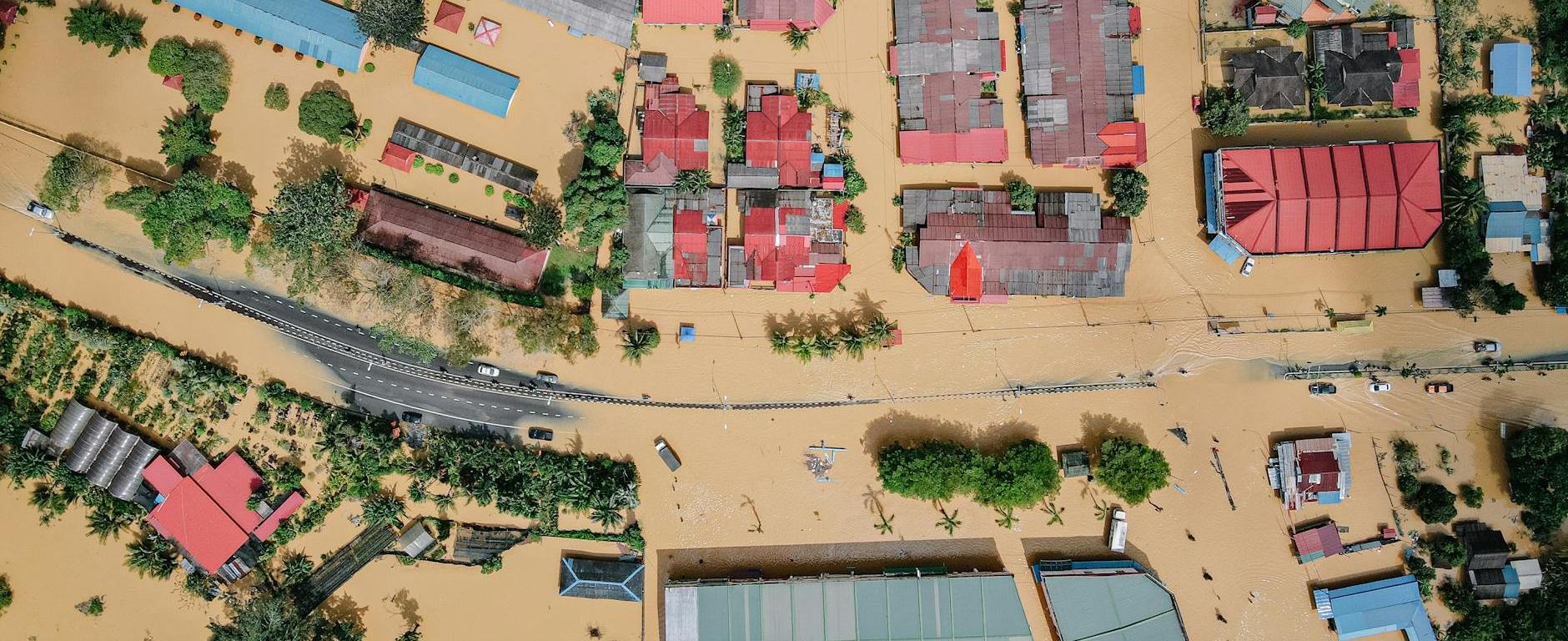
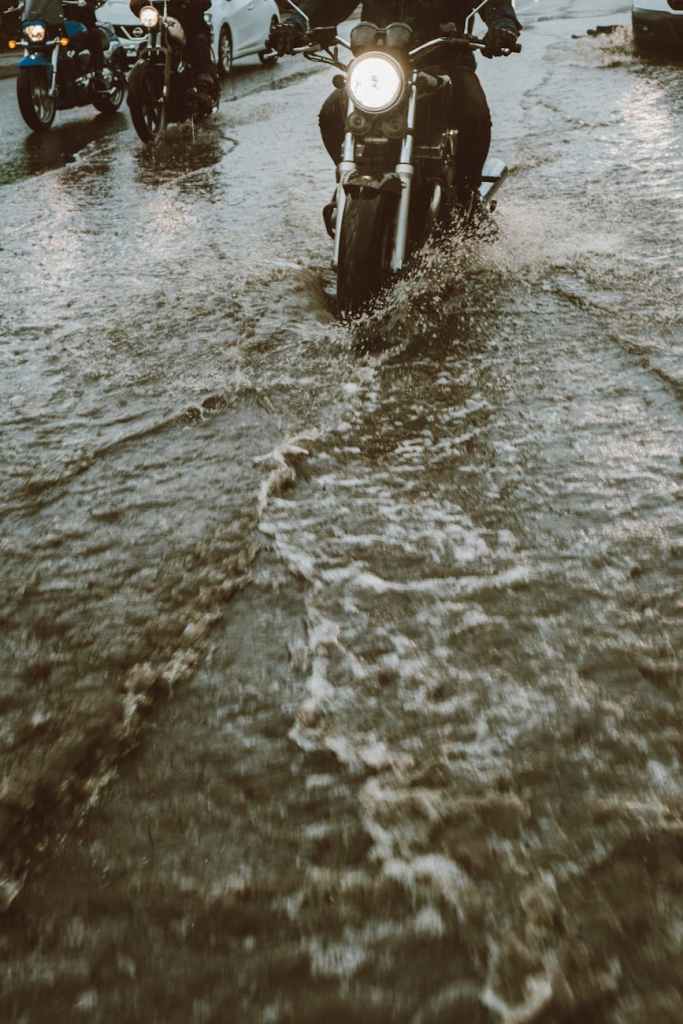
Every time heavy rains lash the city, the streets turn into rivers. Commuters wade through murky waters, businesses shut down, and families climb to rooftops, praying for the floods to subside. Water creeps into streets, slithers through doorways, and claims living rooms like an uninvited guest that refuses to leave. It’s a scene Filipinos know too well—a scene they were promised they would never see again.
For decades, flood control has been the centerpiece of grand infrastructure programs—an assurance that safety and progress are within reach. Year after year, billions are earmarked for drainage systems, pumping stations, and embankments. Press releases boast of progress. Officials beam before cameras, claiming victory over the floods. And yet, the rains fall, the rivers rise, and the waters return—because many of those projects never truly existed.
As vulnerable families fight to save what little the flood leaves behind, a select circle lives untouched. These are the contractors and officials who dine in Michelin-starred restaurants, fly in private jets, and cruise around in fleets of European cars—all allegedly underwritten by funds meant to keep our homes dry. Money meant for dikes and drainage didn’t just evaporate—it flowed into gated mansions, into glittering jewelry boxes, into wardrobes stocked with designer labels, into champagne toasts against the Paris skyline.
This obscene contrast is at the heart of the 2025 DPWH flood control scandal—where taxpayer funds meant for flood protection allegedly bankrolled the lavish lifestyles of a few powerful contractors and their families.
Names are beginning to surface. Eddmari Construction, accused of inflating a Pampanga flood project from ₱20 million to ₱350 million. MG Samidan Construction, which somehow landed billions in contracts despite meager declared assets. The Discaya family, whose garage gleams with Bentleys and Rolls-Royces, now stands as a grotesque symbol of greed in a drowning nation. A quick scroll through Instagram tells the rest: daughters flaunting handbags worth more than an entire barangay’s yearly income, captions bragging “hard work pays off” beneath sunsets in Santorini. These images are more than displays of wealth—they are receipts of betrayal so deep it leaves a nation submerged.
Every peso lost to corruption isn’t just an entry on a ledger—it’s a flood in someone’s home. It means longer traffic gridlocks on flooded roads, a greater risk of diseases like leptospirosis and dengue, and an economy bleeding from flood-related losses. For ordinary citizens, floods are never just natural disasters—they’re symptoms of a system rotting from greed.
Audits come and go. Lifestyle checks trend on social media. Senators thunder in hearings. Hashtags rage. But once the cameras turn off, the anger disappears, and the same hands reach into the same pockets. The cycle resumes.
And so, the floods never truly leave. They linger in our rivers, hang in our clouds, and—most of all—in the unchecked greed of those who vowed to protect us.

Roanne Grace F. Quilingan, Compensation And Benefits Planning Senior Associate. English teacher by degree, HR by day job, and writer by lifelong habit—she’s been stringing words together since school paper days. A charming ambivert who thrives on witty banter and real talk, she’s the type to make you laugh, then casually hit you with life advice. Loves connecting with people, running for fun (not just from deadlines), and escaping to nature whenever she needs a plot twist.

